

Blog
Why Adhesive Selection Is Critical for Your Labels Based on Packaging Material

¿How can I tell if my label supplier can’t scale with my business growth? Because the wrong adhesive can lead to labels peeling, bubbling, or failing under conditions like moisture, temperature changes, or different surface types (plastic, glass, metal). Choosing the right one ensures durability, appearance, and performance across your entire product lifecycle. That’s why working with an expert like Labeling Advantage makes a difference. With over 27 years of experience, they specialize in high-quality labels, shrink sleeves, and custom packaging solutions tailored to each material and use case. As a family-owned company, they combine craftsmanship with advanced technology to deliver labels that not only perform flawlessly but also stand out on shelves. Their extensive portfolio—including pressure-sensitive, wrap-around, in-mold labels, shrink sleeves, and thermal options—paired with a team of over 200 professionals (engineers, designers, ink specialists, and QC analysts) ensures your labels are optimized from adhesion to final presentation.
When it comes to labels, most manufacturers focus on design, print quality, or cost.
But one of the most critical factors is often overlooked: the adhesive.
Choosing the wrong adhesive for your packaging material can lead to label failure, production issues, and costly rework.
At Labeling Advantage, we help manufacturers select the right adhesive based on real-world conditions, not assumptions.
Why Adhesive and Packaging Material Must Work Together
Not all surfaces behave the same, and your adhesive must match them.
What happens if they don’t match?
- Labels peel off
- Adhesion fails over time
- Products get rejected
- Production lines slow down
The result: higher operational costs and brand risk.
What factors affect adhesion performance?
Adhesive performance depends on:
- Surface texture (smooth vs rough)
- Surface energy (high vs low)
- Environmental conditions (humidity, temperature)
- Application speed (manual vs automated lines)
- Storage and use conditions
Ignoring these variables is one of the most common mistakes in labeling.
How Different Packaging Materials Require Different Adhesives
Plastic (PET, HDPE, PP)
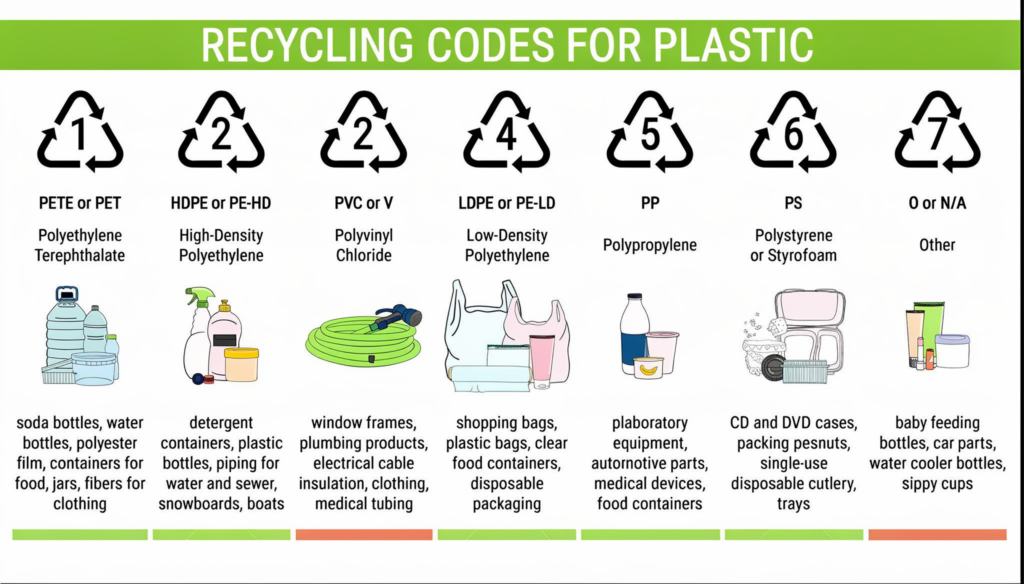
lastic surfaces, especially low surface energy materials like PP or HDPE, are difficult for standard adhesives.
Key challenges:
- Poor adhesion on low-energy surfaces
- Labels lifting over time
Solution:
- Use adhesives specifically designed for low surface energy plastics
- Consider high-performance acrylic or rubber-based adhesives
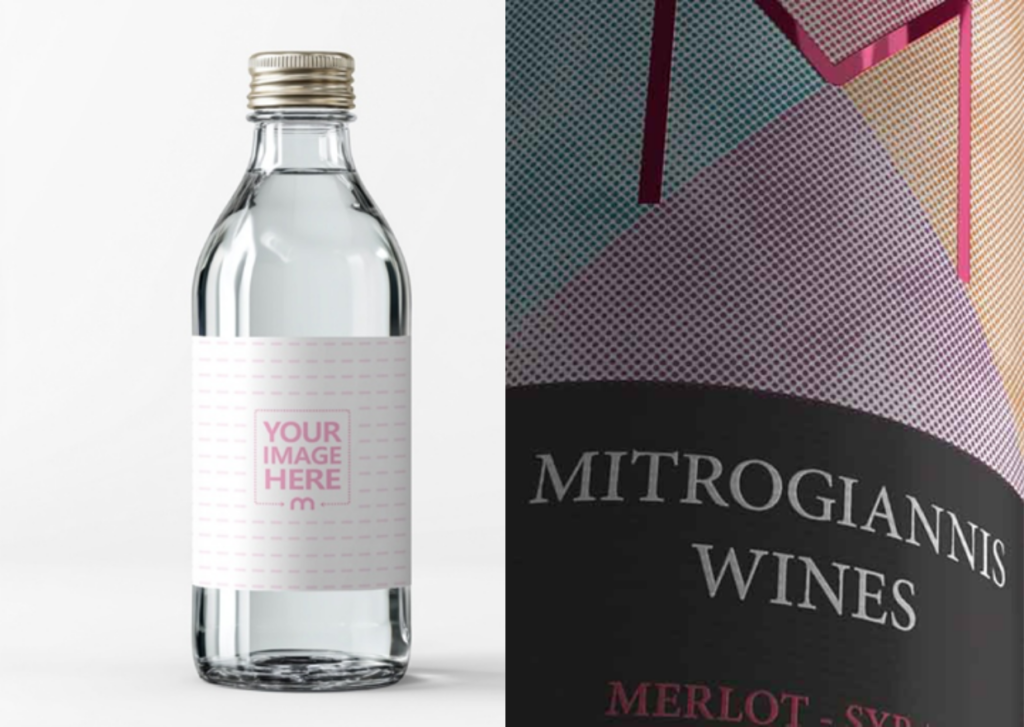
Glass Packaging
Glass is a smooth, high-energy surface, which makes adhesion easier, but not foolproof.
Key risks:
- Condensation (cold beverages)
- Moisture exposure
Solution:
- Use adhesives designed for wet or cold environments
- Ensure resistance to ice, water, and refrigeration
Cardboard and Paper-Based Packaging
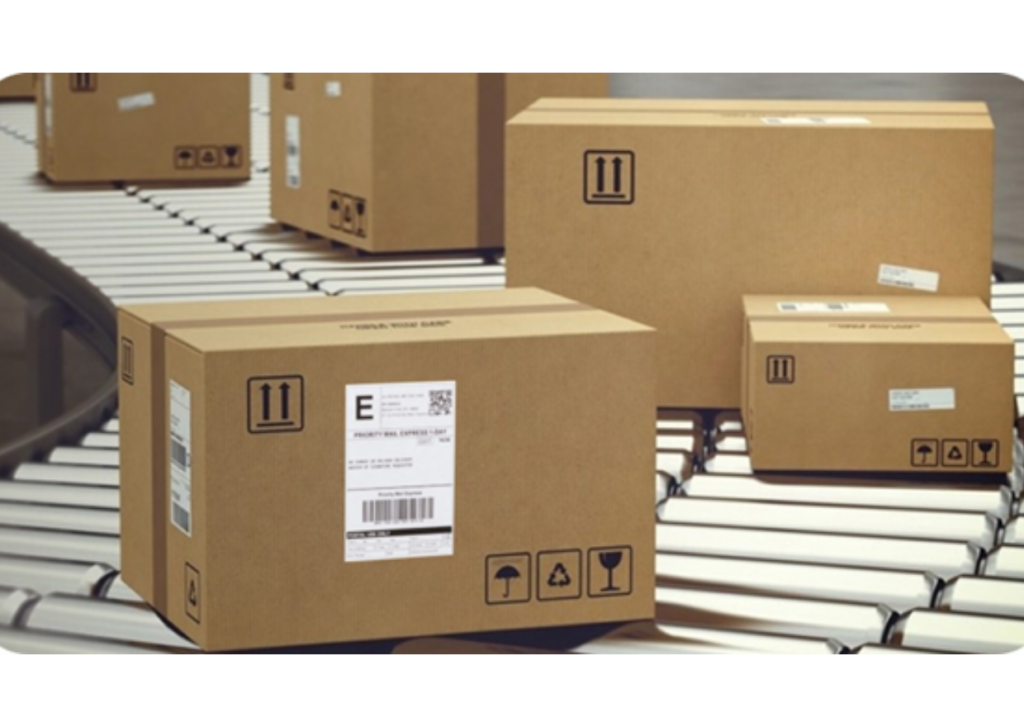
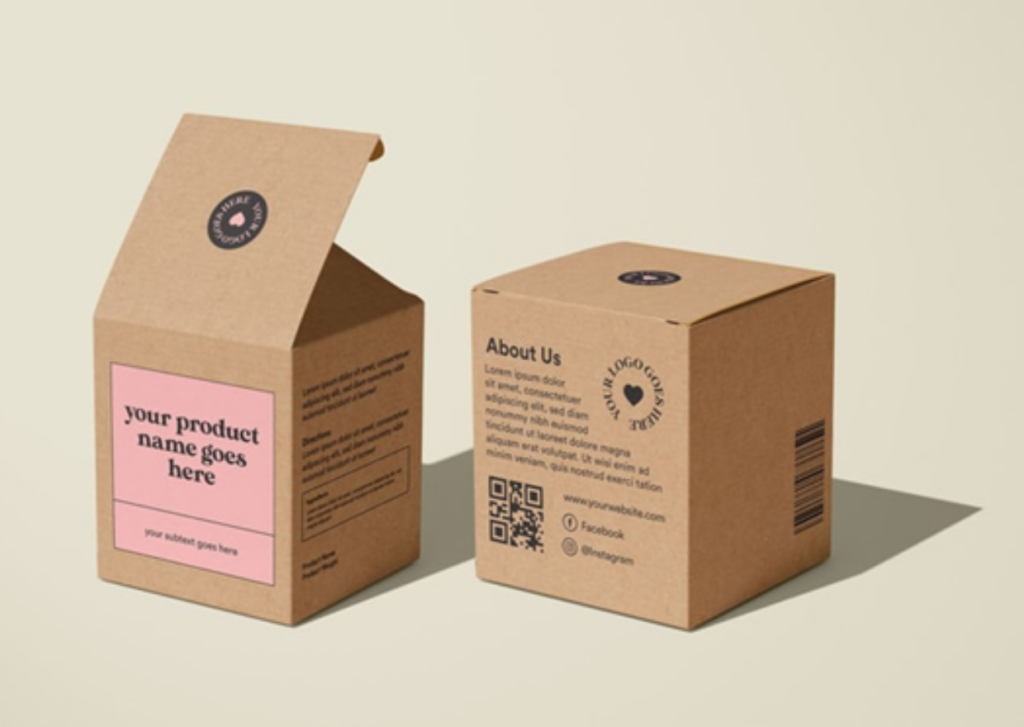
Porous materials like cardboard absorb adhesive differently.
Key challenge:
- Labels don’t stick properly or lose adhesion over time
Solution:
- Use adhesives with strong initial tack
- Ensure deep penetration into the material surface
Flexible Packaging
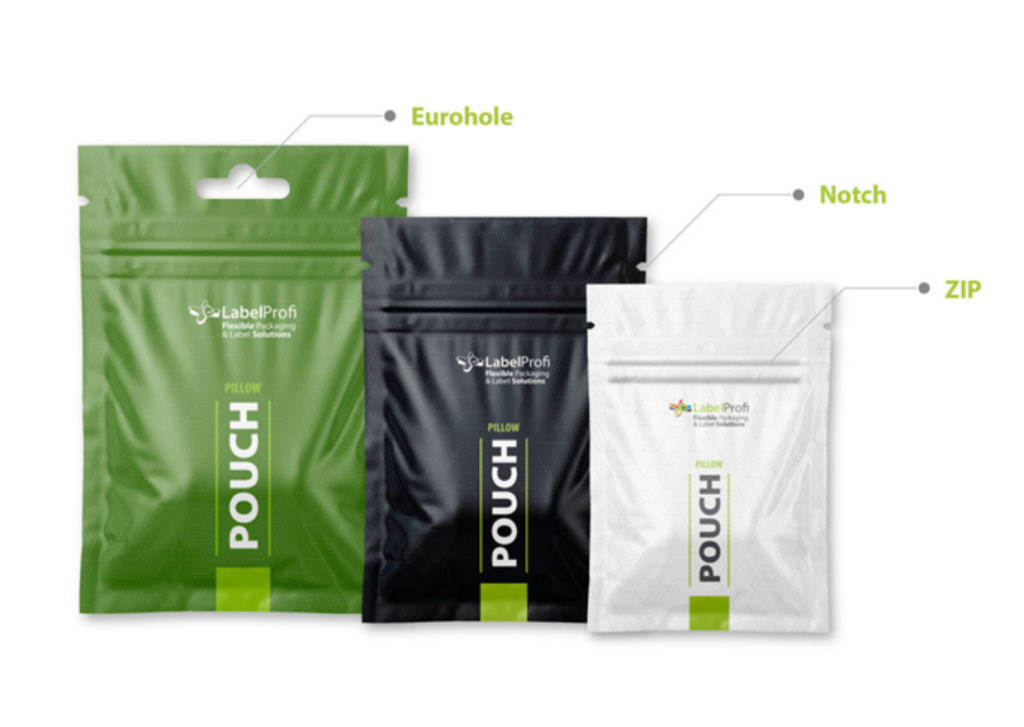
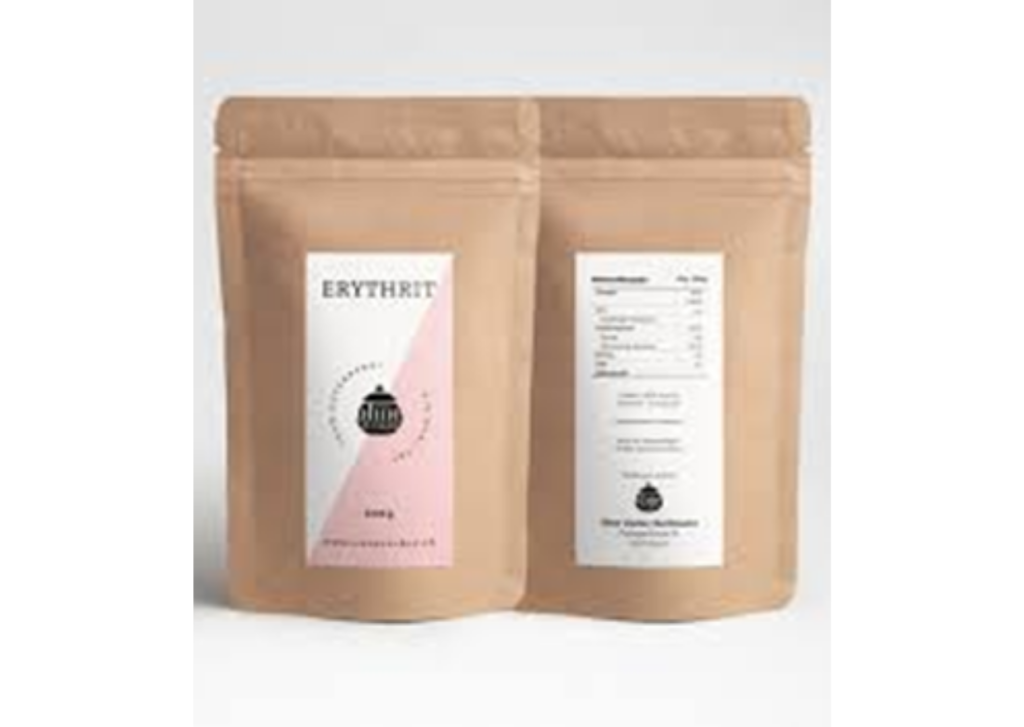
Flexible materials move, bend, and compress.
Key challenges:
- Labels lift or wrinkle
- Adhesion weakens with movement
Solution:
- Use flexible adhesives and materials like polyethylene
- Ensure durability under stress and handling
Common Questions About Label Adhesives
What do I do when my adhesive is failing?
Review the following factors:
- Surface material
- Application method
- Application temperature and conditions
- Storage and use conditions
For best results, schedule an in-person evaluation with an expert to analyze your production environment.
Can one adhesive work for all materials?
Short answer: no.
Using a “universal adhesive” often leads to performance issues. Each material requires a tailored solution.
Does a stronger adhesive always mean better performance?
Not necessarily.
Too strong can cause:
- Difficult removal
- Packaging damage
- Residue issues
The goal is the right balance, not maximum strength.
How Adhesive Choice Impacts Your Operation
Production efficiency
The wrong adhesive leads to:
- Frequent stops
- Adjustments in the line
- Manual corrections
Product quality and brand perception
A peeling label immediately signals poor quality to customers.
Total operational cost
Failures generate:
- Rework
- Waste
- Delays
- Customer complaints
How to Choose the Right Adhesive for Your Labels
Key questions to ask your supplier
- What material is my packaging made of?
- Will my product face moisture, heat, or cold?
- Is my line high-speed or manual?
- Do I need permanent or removable adhesion?
Why testing is critical before scaling
Always test labels under real production conditions, not just in controlled samples.
This prevents costly surprises when scaling operations.
Final Insight: Adhesive Is Not a Detail; It’s a Performance Driver
Most labeling problems are not caused by design or printing.
They’re caused by poor adhesive selection.
If your adhesive doesn’t match your packaging material, everything else fails.
Ready to Optimize Your Label Performance?
Call us at (954) 598-3971
Email: sales@labelingad.com
Let’s make sure your labels perform as well as your products.