

Blog
Why the Real Cost of a Label Is Not in the Price Per Thousand

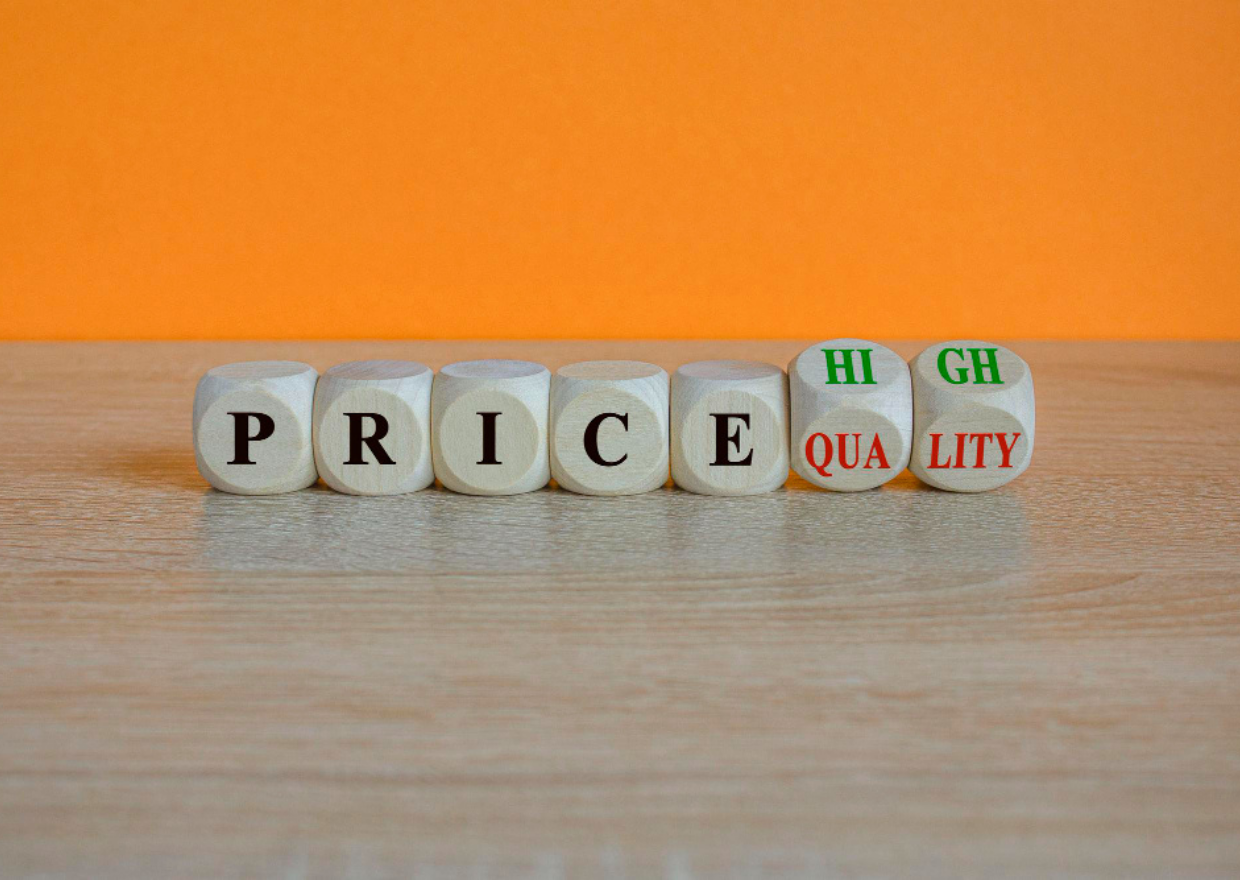
¿Is the cheapest price per thousand labels really the best deal for my business? Not necessarily. The real cost of a label goes far beyond the price per thousand—it includes factors like application efficiency, durability, downtime, reprints, and how well your product performs on the shelf. A cheaper label can end up costing more if it compromises quality or slows down your operations. That’s why partnering with a trusted expert like Labeling Advantage is a smarter investment. With over 27 years of experience, they deliver high-quality labels, shrink sleeves, and custom packaging solutions that are engineered for performance, consistency, and visual impact. As a family-owned business, they combine craftsmanship with cutting-edge technology, offering a wide range of solutions—from pressure-sensitive and wrap-around labels to in-mold and thermal options. Backed by a team of over 200 professionals, including engineers, designers, ink specialists, and quality control analysts, Labeling Advantage ensures your labels not only look great but also optimize your production and reduce hidden costs.
Most manufacturers negotiate label pricing based on cost per thousand, and stop there.
On paper, it makes sense. Lower unit cost means better margins, right?
Not exactly.
In high-volume production environments, the true cost of a label goes far beyond its purchase price. What really impacts your bottom line are the hidden operational costs that most companies overlook.
At Labeling Advantage, we help manufacturers reduce total operational costs through high-performance labeling solutions designed for real-world conditions.
Why Price Per Thousand Is a Misleading Metric
The price per thousand labels only reflects what you pay upfront, not what you lose during operations.
What does price per thousand actually include?
Typically, it only covers:
- Raw materials
- Printing
- Basic production
What it doesn’t include
- Downtime costs
- Rework
- Waste
- Operational inefficiencies
Why focusing only on unit price leads to poor decisions
Choosing the cheapest supplier often means compromising on:
- Adhesive performance
- Material quality
- Print consistency
At scale, these small compromises turn into major costs.
The Hidden Costs That Impact Your Operation
Line downtime caused by label failures
One of the most expensive problems is production stoppage.
If labels don’t adhere properly or fail during application, your entire line can stop.
That means:
- Idle labor
- Lost production time
- Missed deadlines
- Increased operational costs
In high-speed lines, even a few minutes of downtime can cost thousands.
Rework and waste due to inconsistency
When labels vary between batches, problems arise:
- Incorrect application
- Visual inconsistencies
- Product rejection
This leads to:
- Reprinting labels
- Re-labeling products
- Increased material waste
Color variation and its impact on brand and retail
Inconsistent color is not just a cosmetic issue.
On retail shelves, it affects:
- Brand perception
- Consumer trust
- Product recognition
In some industries, it can also trigger compliance issues.
The cost of managing multiple suppliers for the same SKU
Many companies use different suppliers for the same label to reduce price.
But this often creates:
- Specification mismatches
- Quality inconsistencies
- Coordination issues
Managing multiple vendors increases complexity and cost.
What Happens When Labels Fail in Real Operations
How poor adhesion affects high-speed production lines
In automated environments, labels must perform perfectly.
If they don’t:
- Machines stop
- Products get rejected
- Operators intervene manually
This slows down your entire operation.
Why small defects become big problems at scale
At low volume, defects may go unnoticed.
At high volume, they multiply quickly, turning minor issues into major operational disruptions.
The ripple effect across your supply chain
A labeling issue doesn’t stay in one place.
It can affect:
- Warehousing
- Shipping
- Retail distribution
One weak point can impact the entire chain.
How to Evaluate the True Cost of Your Labels
What KPIs should you be measuring?
To understand real cost, track:
- Downtime frequency
- Defect rates
- Rework percentage
- Waste levels
- Delivery consistency
How to calculate total cost of ownership (TCO)
Instead of focusing on unit price, consider:
- Cost of interruptions
- Cost of labor inefficiencies
- Cost of material waste
- Cost of delays
This provides a much more accurate financial picture.
What questions should you ask your supplier?
- How do your labels perform under real production conditions?
- What quality control systems do you use?
- How do you ensure consistency across runs?
- Can you support high-speed application environments?
Why High-Performance Suppliers Reduce Total Cost
Consistency eliminates operational risk
Reliable labels reduce:
- Errors
- Downtime
- Rework
This directly improves efficiency.
Integrated manufacturing improves efficiency
Suppliers with in-house capabilities offer:
- Better quality control
- Faster turnaround
- More consistent output
Better materials and adhesives prevent failures
High-quality materials may cost more upfront, but they prevent costly issues later.
Ready to Reduce Your Real Labeling Costs?
If your current supplier is optimizing for price instead of performance, you could be losing far more than you think.
Call us at (954) 598-3971
Email: sales@labelingad.com
Let’s optimize your labeling strategy beyond just price.