

Blog
Label Orientation and Winding: How They Impact Automatic Labeling Efficiency

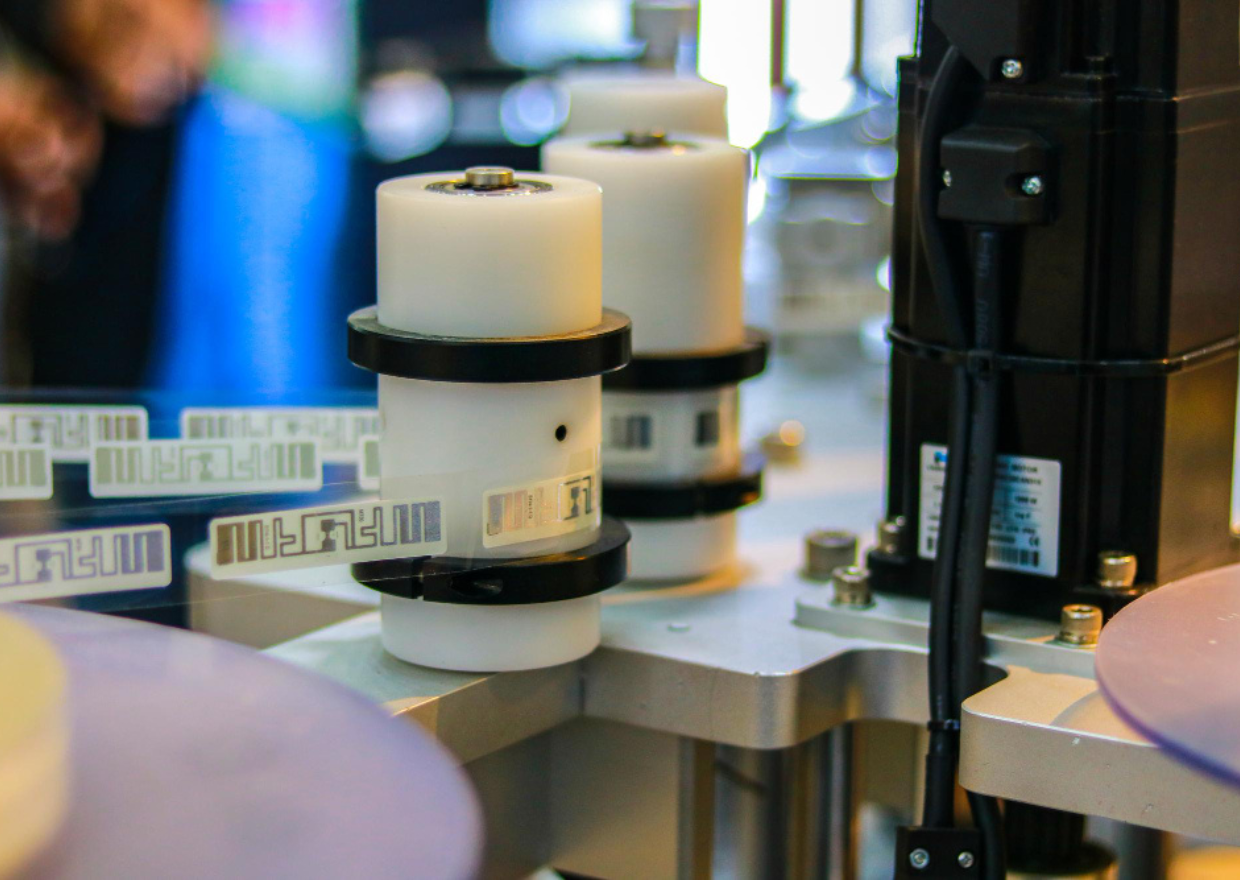
How do label orientation and winding direction affect the efficiency of my automatic labeling line? Incorrect label orientation or winding can cause misalignment, machine stoppages, and reduced production speed, directly impacting efficiency and increasing operational costs. Getting these technical details right ensures smooth application, consistent placement, and maximum throughput. That’s where working with an expert like Labeling Advantage becomes crucial. With over 27 years of experience, they are a trusted leader in high-quality labels, shrink sleeves, and custom packaging solutions. As a family-owned company, they combine craftsmanship with cutting-edge technology to deliver labels engineered for precision and performance. Their portfolio—including pressure-sensitive, wrap-around, in-mold labels, shrink sleeves, and thermal options—is designed to meet the demands of automated systems. Backed by a team of over 200 professionals, including engineers, designers, ink lab technicians, and QC analysts, Labeling Advantage ensures your labeling process runs efficiently, consistently, and without costly interruptions.
In high-speed production environments, labeling is often treated as a final step. Something that happens after design and printing are complete. In reality, many of the most costly labeling issues originate long before a label reaches the production line.
Two of the most overlooked yet critical factors are label orientation and winding direction. When these specifications are incorrect or not aligned with your equipment, the result is not just minor inefficiencies; it can lead to machine stoppages, misapplied labels, wasted materials, and significant production delays.
For operations teams, this is not a design issue. It is a performance issue.
This article explains how orientation and winding impact automatic labeling, the problems caused by incorrect specifications, and how to ensure your labels are optimized for efficient application from the start.
Why Label Application Specs Matter More Than You Think
What happens when labels are not configured correctly?
When labels are produced without the correct application specifications, the labeling machine cannot apply them as intended. This can result in:
• Labels applied in the wrong position or angle
• Wrinkling or bubbling during application
• Misalignment with packaging design
• Inconsistent placement across units
These issues compromise both product presentation and operational efficiency.
How small setup errors cause major production issues
What may seem like a minor detail, such as rewind direction or label orientation, can disrupt an entire production line. Automatic labeling systems rely on precise, repeatable inputs. If the label roll is not configured correctly, the machine may require manual adjustments, slow down, or stop entirely.
Over time, these small inefficiencies accumulate into:
• Increased labor intervention
• Higher material waste
• Reduced throughput
Why application efficiency depends on precision
Automatic labeling systems are designed for speed and consistency. To perform at their full capacity, they require exact alignment between:
• Label format
• Machine configuration
• Product positioning
Any mismatch between these elements reduces efficiency and increases the risk of errors.
Understanding Label Orientation and Winding
What is label orientation (top, bottom, left, right)?
Label orientation refers to how the label is positioned relative to the product when applied. This includes:
• Top or bottom edge alignment
• Left or right positioning
• Direction of text and graphics
For example, a label designed to be applied from the right side must be printed and positioned accordingly. If the orientation is incorrect, the label may appear rotated or misplaced on the final product.
What is winding direction, and why it matters
Winding direction refers to how labels are rolled onto the core. This determines how the label is dispensed from the roll during application.
Common winding configurations include:
• Labels facing in or out
• Leading edge direction
• Position of the label relative to the roll core
The correct winding direction ensures that the label feeds smoothly into the labeling machine.
How unwind direction affects machine compatibility
Every labeling machine is configured to handle a specific unwind direction. If the label roll does not match this configuration:
• The machine may not detect the label correctly
• Sensors may fail to read gaps or marks
• Labels may feed incorrectly or jam
This is one of the most common causes of avoidable production downtime.
Common Problems Caused by Incorrect Specifications
Why labels misalign or apply incorrectly
Misalignment often occurs when orientation does not match the application method. This leads to:
• Crooked labels
• Incorrect positioning relative to branding elements
• Inconsistent appearance across products
In retail environments, even small visual inconsistencies can impact brand perception.
How wrong winding causes machine stoppages
Incorrect winding can prevent labels from feeding properly through the machine. This may result in:
• Label jams
• Sensor errors
• Frequent machine stoppages
Operators may need to manually intervene, reducing efficiency and increasing labor costs.
What impact this has on production speed
When labeling issues occur, production speed drops immediately. Even minor disruptions can:
• Slow down the entire line
• Create bottlenecks in packaging
• Delay shipments
For high-volume operations, these delays translate directly into lost productivity.
How to Optimize Labels for Automatic Application
What specifications your labeling machine requires
Every labeling system has specific requirements that must be met, including:
• Unwind direction
• Label spacing and gap size
• Core size and roll diameter
• Application speed and positioning
Understanding these requirements is essential before placing a label order.
How to align label design with application direction
Design and application must work together. This means:
• Ensuring graphics are oriented correctly for the application method
• Positioning critical information where it will be visible after application
• Avoiding design elements that interfere with sensors or application points
A well-aligned design reduces the risk of errors during production.
Why testing on actual equipment is essential
Even when specifications appear correct, real-world testing is critical. Running labels on actual equipment allows you to:
• Identify alignment issues
• Verify machine compatibility
• Adjust settings before full-scale production
Testing helps prevent costly mistakes at scale.
How to Work with Your Supplier to Avoid Errors
What technical details you must provide before production
To ensure correct label production, you should provide your supplier with:
• Machine specifications
• Application method (wrap-around, front/back, top labeling)
• Required unwind direction
• Core size and roll configuration
Clear communication at this stage prevents errors later.
How to standardize specs across SKUs
As your product line grows, maintaining consistency becomes more challenging. Standardizing specifications across SKUs helps:
• Simplify production processes
• Reduce setup time
• Minimize errors
This is especially important for companies managing multiple products and packaging formats.
What documentation ensures consistency
Proper documentation is essential for repeatability. This may include:
• Technical specification sheets
• Approved label orientation diagrams
• Machine compatibility guidelines
Documented standards ensure that every production run meets the same requirements.
Final Insight: Efficiency Starts Before the Label Is Printed
Why application specs define operational success
Label performance is determined long before the label is printed. Orientation, winding, and technical specifications define how the label will behave during application. When these elements are correct, the entire process becomes more efficient and predictable.
How correct setup eliminates downtime
By aligning label specifications with machine requirements from the beginning, companies can:
• Reduce machine stoppages
• Improve production speed
• Minimize waste
• Ensure consistent product presentation
This proactive approach transforms labeling from a potential bottleneck into a reliable part of the production process.
Optimizing label orientation and winding is one of the simplest ways to improve operational efficiency, yet it is often overlooked. At Labeling Advantage, we work closely with your team to ensure that every label is engineered for your specific application environment, reducing errors and maximizing performance.
To improve your labeling efficiency and eliminate production issues, contact us at +1 (954) 598-3971 or email sales@labelingad.com.